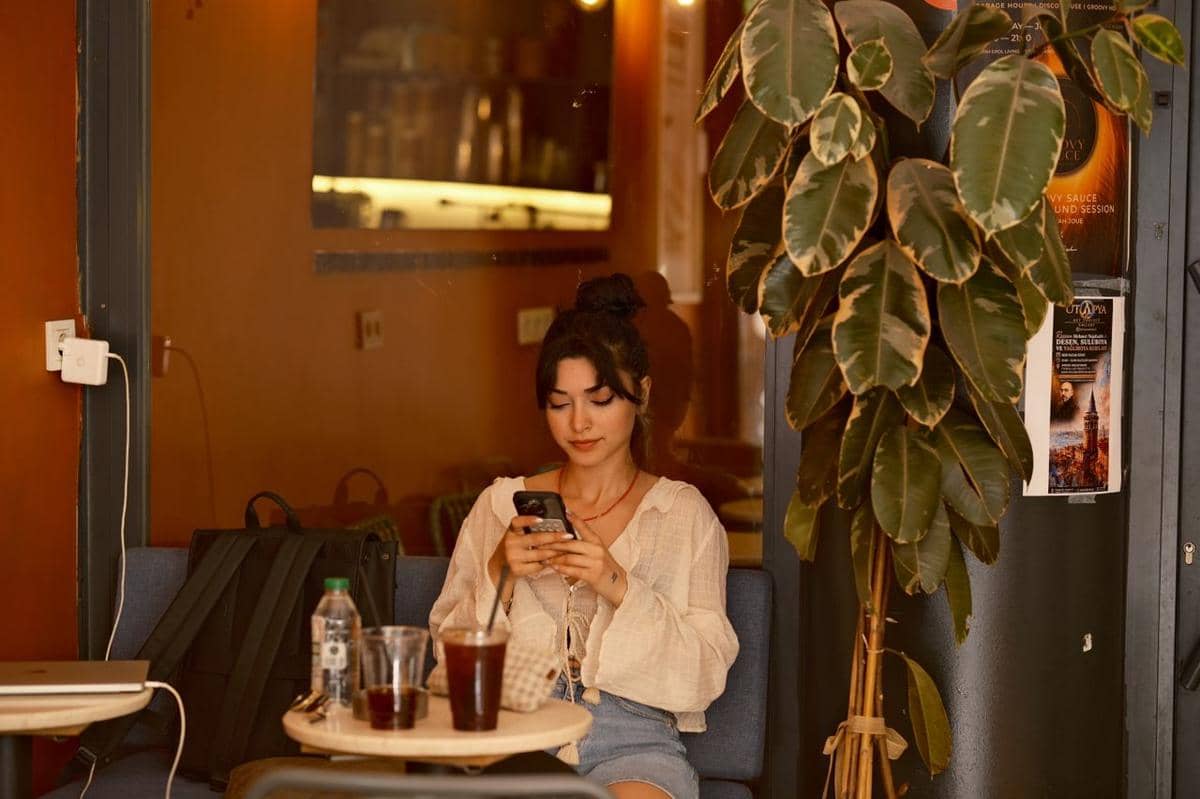
10 Spending Habits Gen Z Maintains While Boomers Avoid Them

Gen Z consumer spending patterns differ significantly from Baby Boomers, prioritizing digital services and experiences over traditional assets.
Shifting Consumer Priorities
Generational wealth and spending habits are undergoing a transformation as Gen Z enters the workforce. While Baby Boomers often prioritize long-term stability through assets like real estate and traditional savings, younger consumers allocate significant portions of their income to lifestyle-oriented expenditures.
These spending discrepancies reflect a broader shift in how different age groups perceive value, convenience, and social connection. For many in the younger demographic, spending is an extension of identity and immediate lifestyle utility.
Key Areas of Spending Divergence
The following ten categories highlight where Gen Z spending consistently departs from the traditional frugality or investment strategies favored by older generations:
- Subscription Services: Continuous payments for streaming media, music, and software.
- Premium Coffee and Specialty Beverages: Frequent purchases from high-end cafes.
- Fast Fashion and Trendy Apparel: Rapidly rotating wardrobes driven by social media trends.
- Dining Out and Delivery: High frequency of restaurant visits and food delivery app usage.
- Skincare and Beauty Products: Intensive spending on specialized dermatological and aesthetic items.
- Digital Entertainment: In-game purchases and virtual goods within digital ecosystems.
- Travel and Experiences: Prioritizing short-term travel and social events over physical possessions.
- Wellness and Fitness Memberships: Ongoing costs for specialized gym access or wellness apps.
- Gadgets and Tech Accessories: Constant upgrades to mobile and wearable technology.
- Self-Care Services: Frequent salon, nail, or grooming appointments.
Economic Implications of Lifestyle Spending
Market analysts observe that these habits create a robust economy for the service and digital sectors. While Boomers may view these recurring costs as non-essential or wasteful, Gen Z integrates them into their standard cost of living.
This shift suggests that the concept of "saving" is being redefined. For many younger adults, the perceived value of an immediate experience or a digital convenience outweighs the traditional accumulation of tangible goods or long-term property ownership.



:quality(30):format(webp):focal(0.5x0.5:0.5x0.5)/style/foto/bank/originals/Taufik-Hidayat-sempat-minta-diantar-oleh-mantan-bosnya-untuk-bertemu-Dedi-Mulyadi.jpg)